
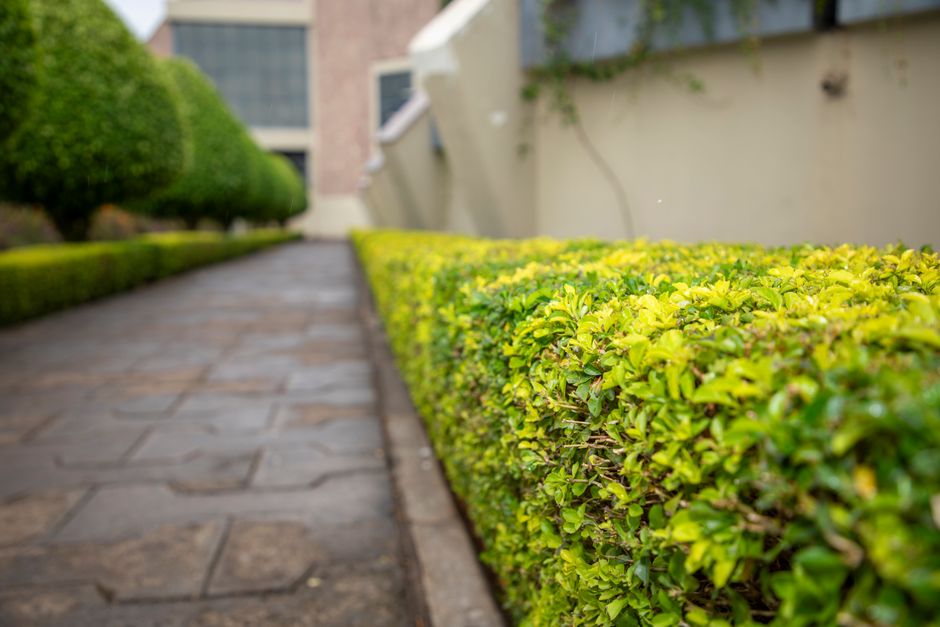
The best time to trim hedges in Melbourne is late spring to early summer, with a second trim window in late summer to early autumn. But that generalisation needs detail to be useful — the right timing depends significantly on your hedge species, whether you are doing a maintenance trim or a renovation, and what you are trying to achieve. This guide gives you the full picture by season and species. For how frequently different species need trimming, see our guide on how often to trim hedges in Melbourne.
Spring: September to November
Spring is the best overall window for hedge trimming in Melbourne. The reasons are straightforward: growth resumes after winter, the plant has energy and the full growing season ahead to recover, and a spring trim sets the hedge up for the year. For most Melbourne species, a spring trim in September or October is the most important trim of the year.
What to do in spring
- First major shaping trim for most species after winter dormancy
- Renovation cuts and significant size reduction for species that tolerate it (lilly pilly, viburnum, murraya)
- Hard structural pruning for overgrown material
- Apply slow-release fertiliser after trimming to support recovery
Summer: December to February
Summer trimming is about maintenance, not major work. Fast-growing species like lilly pilly and murraya put out significant new growth from November onwards and need regular maintenance trims every 6 to 8 weeks to stay shaped. In December and January, this means light maintenance cuts rather than major shaping work.
What to avoid in Melbourne summer
Avoid major renovation cuts and hard cutting during Melbourne's peak heat (late January, early February). New growth exposed after a hard cut is more vulnerable to sunscorch and heat stress than mature foliage. Timing matters less for light maintenance trims, but significant work is better saved for cooler conditions.
Want to get the timing right without working it out yourself?
We schedule hedge visits around your species and the Melbourne season. Book a regular program.
Autumn: March to May
Autumn is the second main trimming window for Melbourne hedges. A trim in late February to March shapes the hedge and tidies up the summer's growth before the cooler months slow everything down. The key constraint: avoid trimming too late in autumn (May onwards for most species) as the soft new growth produced after a trim can be damaged by July and August frosts in some Melbourne locations.
Autumn trimming by species
- Lilly pilly — fine through March and April; avoid significant cuts in May
- Murraya — trim in March; avoid May onwards in frost-prone areas
- Photinia — good March trim; the red new growth looks excellent going into winter
- Viburnum — March is ideal; last chance for a major trim before winter
Winter: June to August
Winter is not a no-go zone for hedge trimming in Melbourne, but the type of work that is appropriate is limited. Light tidy-up trims to remove the season's last growth and keep things tidy are fine for most established, hardy species. Major renovation cuts, hard reductions, and trimming frost-sensitive species like murraya should wait for spring.
For a detailed guide on winter hedge trimming decisions, see our guide on trimming hedges in winter in Australia.
Special consideration: flowering species
For hedges that flower — murraya being the most common example in Melbourne gardens — timing the trim so it does not remove the flower buds matters. Murraya flowers on new growth. Trimming immediately before a flowering period removes the buds that would have flowered. Trimming after flowering allows the next growth flush to develop buds for the next flowering cycle. This is a minor consideration for most formal hedges where appearance is the priority, but worth knowing if you enjoy the fragrant flowers.
FAQ: Best time to trim hedges in Melbourne
What month should I trim my hedge in Melbourne?
For the main spring trim: September or October. For the second trim: February or March. For maintenance trims on fast growers: every 6 to 8 weeks through November to April.
Can I trim hedges in Melbourne summer?
Yes, for maintenance trims. Regular light trimming of fast-growing species like lilly pilly continues through summer. Avoid major renovation cuts in peak heat (January to February). If a heatwave is forecast, delay trimming until conditions improve.
Is spring or autumn better for a major hedge trim?
Spring is better for major renovation work and significant size reduction, because the plant has the active growing season ahead to recover. Autumn is fine for a second maintenance trim to tidy up summer growth, but is not the right window for hard renovation cuts in most species.
What happens if I trim my hedge at the wrong time?
For most Melbourne hedge species, the consequences of wrong-timing are relatively minor: slower recovery, a poorer cosmetic result for a few weeks, or soft new growth that may be slightly frost-affected. Only conifers and a few sensitive species carry a serious risk of permanent damage from wrong-time cutting. The bigger risk is not timing, it is cutting technique — see our guide on how to trim hedges straight and evenly.
