
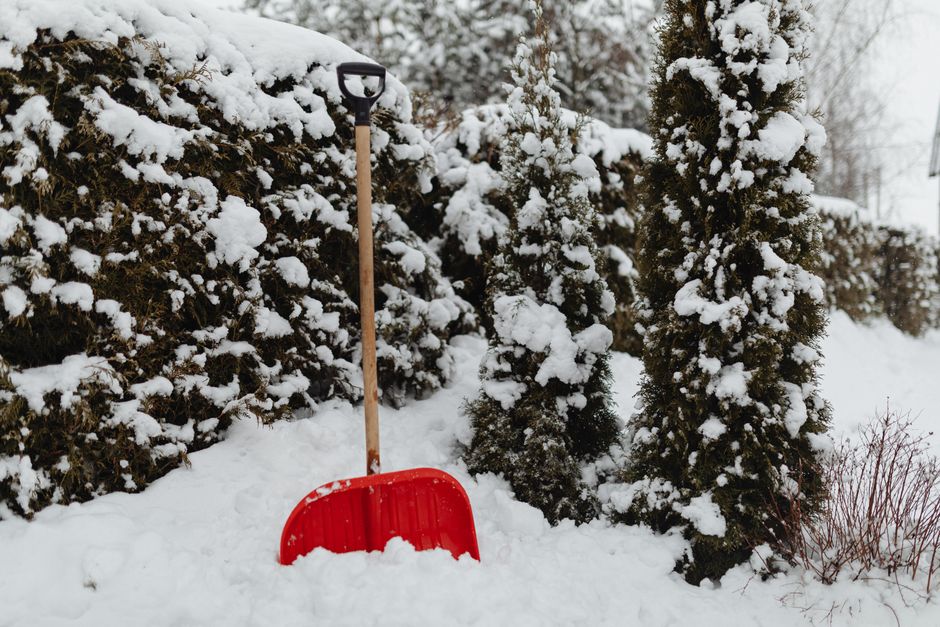
Winter is not off-limits for hedge trimming in Melbourne — but it is not the right time for every species or every type of cut. Melbourne winters are mild compared to most of Australia's southeast, but frost events in July and August can damage tender new growth if a significant trim causes a flush of soft growth at the wrong time. This guide explains which hedges you can safely trim in Melbourne winter, which to leave alone, and what you can accomplish in the cooler months without causing problems. For the general timing framework, see our guide on the best time to trim hedges in Melbourne.
Understanding Melbourne winters in the context of hedges
Melbourne winters are mild but not frost-free. Parts of Melbourne — particularly inner and middle suburbs — rarely see frost. The outer suburbs, hills areas, and properties in low-lying positions more likely to collect cold air can see frost several times per winter. Before deciding what to trim in winter, knowing your property's frost exposure matters.
The main risk from winter trimming is not the cut itself — it is the flush of soft new growth that a trim can trigger in some species. Soft new growth is frost-susceptible. A light frost on tender new shoots can damage the tips and leave the hedge looking brown and damaged for weeks.
Hedges that are safe to trim in Melbourne winter
Established, hardy species: fine for light tidy-ups
Hardy, established hedge species that do not produce frost-sensitive new growth can be given a light tidy-up in winter without risk. This includes lightly shaping viburnum, light maintenance on westringia, and clearing dead material from photinia hedges. Light is the key word — removing a centimetre or two of growth to neaten the line is different from a significant renovation cut.
Structural and framework work suits winter
Winter is actually a good time for structural and framework pruning on woody hedges and trees. Without the foliage of the growing season, the structure of the plant is clearer and easier to work with. Major structural pruning on established hedges — removing internal dead wood, cutting back a branch that has grown out of line, reshaping the base structure — can all be done in winter without the pressure of active growing season schedules.
Hedges to leave alone in Melbourne winter
Murraya paniculata
Murraya responds quickly to trimming and puts out new growth fast. In winter, that new growth is frost-sensitive. Significant murraya trimming should wait until mid-to-late spring when frost risk has passed.
Lilly pilly in frost-prone areas
Lilly pilly is reasonably hardy in Melbourne, but the new red-tinged growth that follows a trim is notably frost-susceptible. In inner-Melbourne properties, a late winter tidy-up of lilly pilly is generally low risk. In outer suburbs or elevated positions with frost history, wait until September.
Want the winter tidy-up handled professionally?
We trim, clean up, and remove all clippings. Book a winter visit or a regular schedule across the year.
Any species you plan to cut significantly
Even for normally hardy species, avoid significant renovation cuts in winter. A hard cut in winter can stress a plant that has reduced energy reserves during its low-growth period. For major reduction work — bringing a large overgrown hedge back into shape — wait for early spring when the plant has the energy and the growing season ahead to recover. See our guide on how to trim an overgrown hedge for the right staging approach.

What winter is actually good for in the garden
While trimming activity slows, winter is an excellent time for other garden maintenance:
- Mulching garden beds before spring growth begins
- Planting new hedges and trees while dormant or semi-dormant (they establish with less stress)
- Structural pruning of deciduous plants and trees
- Soil improvement and fertiliser application before spring growth flush
- Planning hedge replacement for species that are not performing well
FAQ: Trimming hedges in winter in Melbourne
Is it okay to trim hedges in June or July in Melbourne?
Light maintenance trims on hardy species are generally fine in June and July. Significant cuts, hard renovation work, and trimming species prone to frost-sensitive new growth (like murraya) should wait until late winter or early spring. The closer you are to frost-free Melbourne inner suburbs, the lower the risk.
Can I trim a lilly pilly hedge in winter in Melbourne?
A very light tidy — removing the most recent season's growth to neaten the line — is usually fine in inner Melbourne. In frost-prone areas or for more significant cuts, wait until late August or September when frost risk is low and the plant is ready to respond with strong new growth.
Will a hedge trimmed in winter be damaged by frost?
The trim itself does not cause frost damage. The risk is new growth triggered by the trim being exposed to a subsequent frost event. If you trim very lightly (removing 2 cm of growth) the new flush will also be light and low risk. A significant cut that triggers a strong new growth flush in June or July carries more risk in frost-prone areas.
How often should I trim hedges in winter?
For most Melbourne hedge species, winter is a very low-frequency or no-trim period. Growth slows significantly. If you are on a professional maintenance schedule, visits in winter typically shift to light tidy-ups every 6 to 8 weeks rather than the more frequent growing-season schedule. See our guide on how often to trim hedges in Melbourne for the full year breakdown.
